ESPACE dienacht ARLES
This year, during the opening week of Les Rencontres d’Arles,
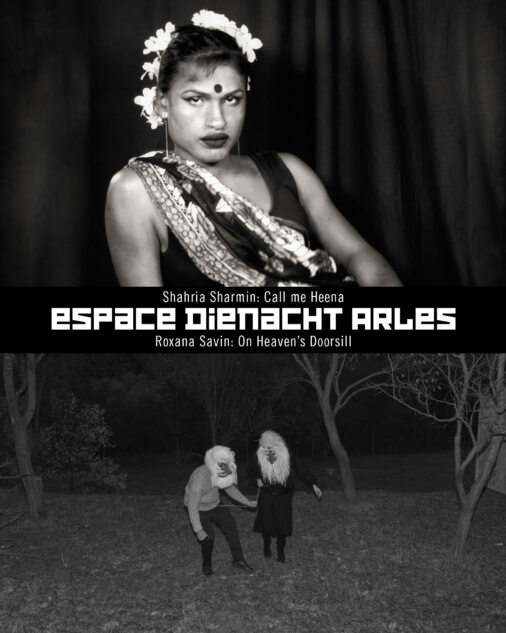
dienacht Publishing has curated a space dedicated to photography and photobooks. Espace dienacht Arles (8 Rue Fauré) hosted the exhibitions by Roxana Savin & Shahria Sharmin and their photobook releases.
Exhibition
Shahria Sharmin: Call Me Heena
Roxana Savin: On Heaven's Doorsill
Dates 7–13 July
Opening hours 1–7 pm
Official book release and celebration
9 July, 6 pm
Address 8 Rue Fauré, Arles
Espace dienacht
(a.k.a. Double Dummy Studio)
The exhibition is organised by dienacht Publishing and dienacht Assocciation,
and curated by Yana Kruse.
Book Signings at Arles Books Fair
10 July, Thursday, 5:30 — 6:30 Shahria Sharmin: Call Me Heena
11 July, Friday, 5:30 — 6:30 Roxana Savin: On Heaven's Doorsill
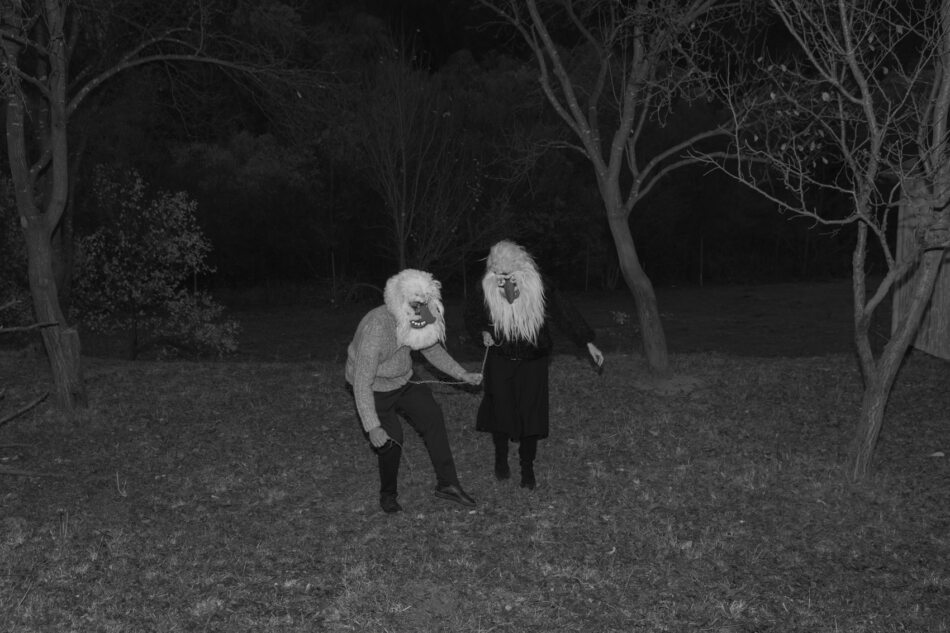
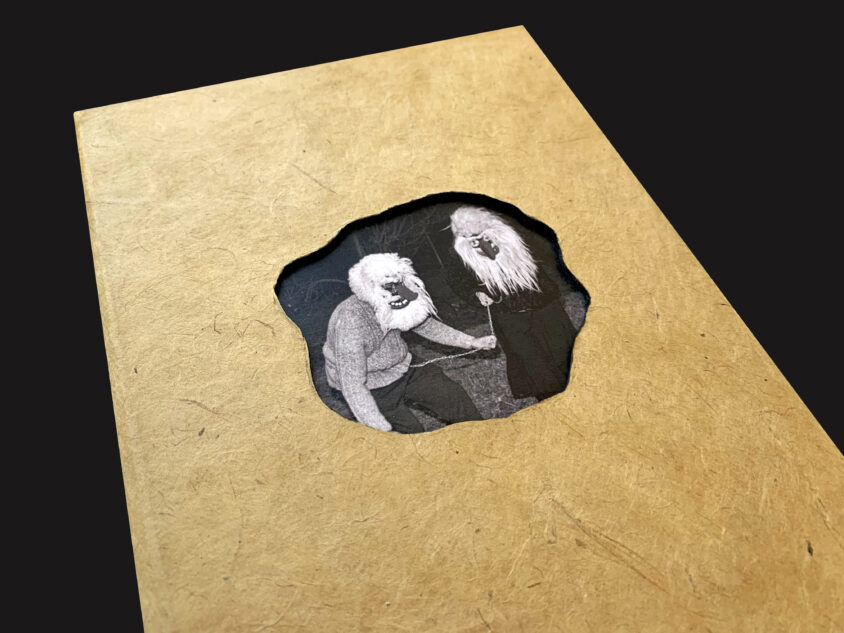


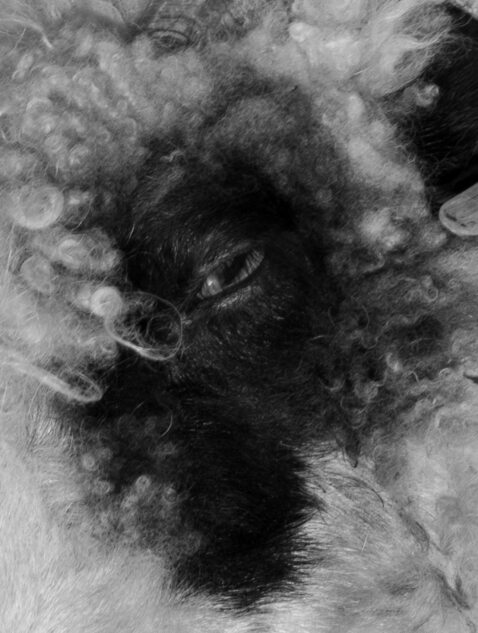
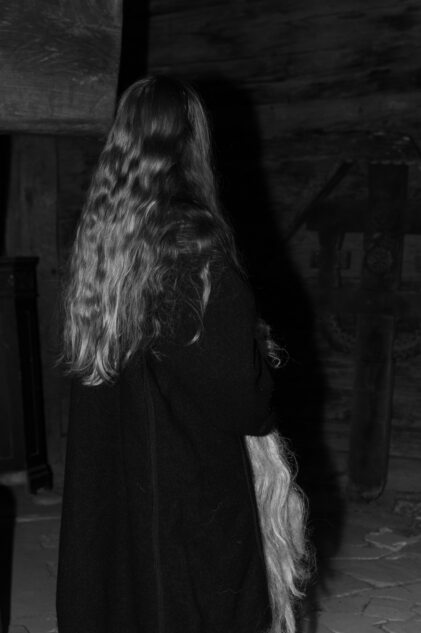
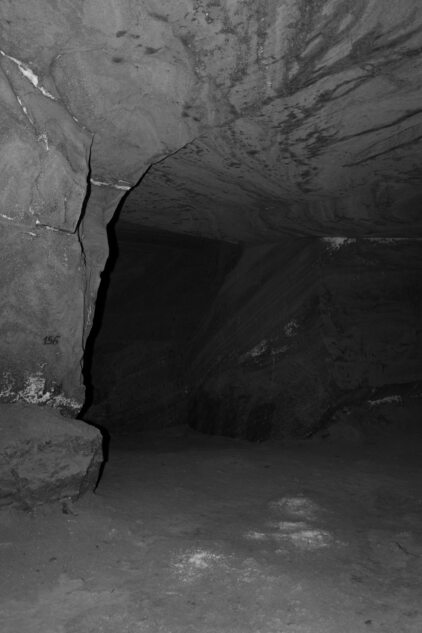
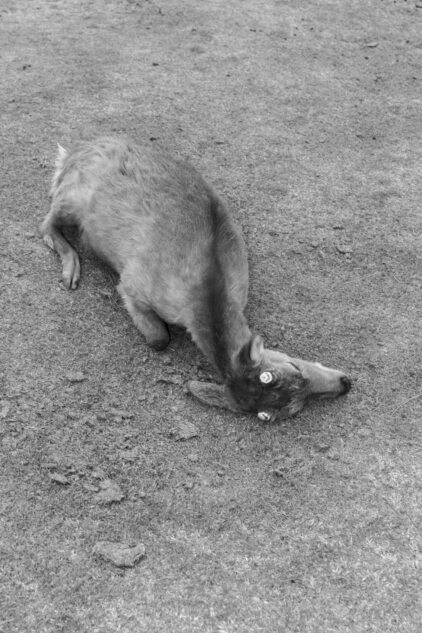
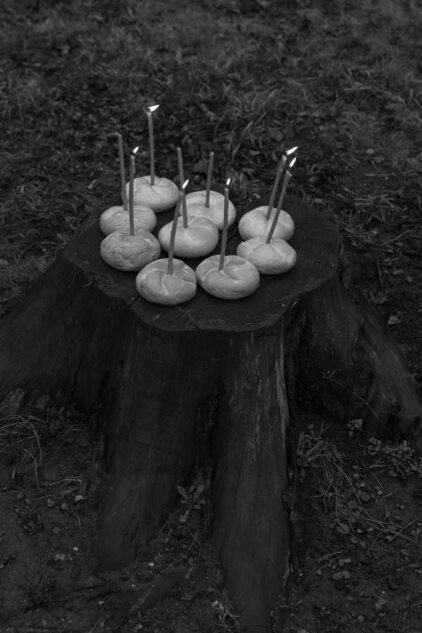
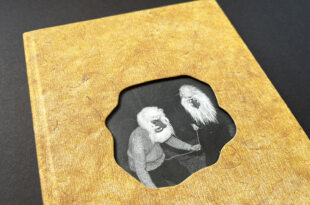
On Heaven's Doorsill investigates the layered beliefs surrounding the theme of afterlife, delving into mythology, folk tales, and ancient traditions in rural Romania. The project is inspired by the artist's grandmother, Alexandra. She lived her whole life in a village in Romania, where time passed by the turning of the seasons and everyday existence unfolded in harmony with the ancient rhythms of the land.
One night, long after she became a widow, as the earth held its breath, she had a peculiar dream. Her late husband appeared to her in silence. She asked him, “Have you come to take me across?” “Not yet,” he said.
“I will be back for you at harvest time.”
And so, she waited.
The leaves turned gold, the hay was cut, and the fields swelled with ripeness. At harvest time, she entered the gates to the other side and rejoined him.
Roxana Savin is a Swiss-based visual artist, working with photography and moving image. Originally from Romania, her diverse body of work is influenced by personal experiences and her rich cultural heritage, exploring themes such as identity, belonging, gender roles, status of women in contemporary society.
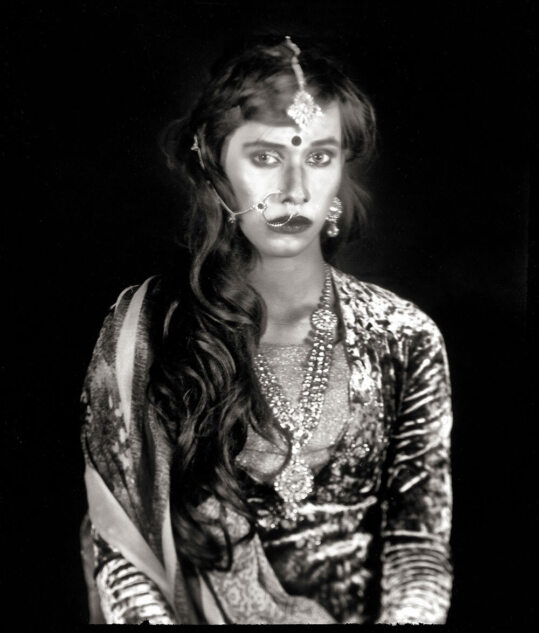
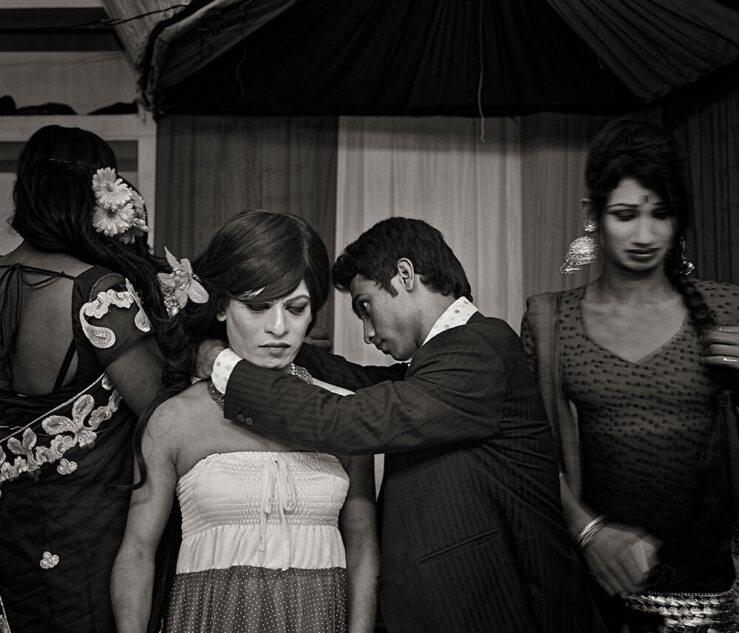
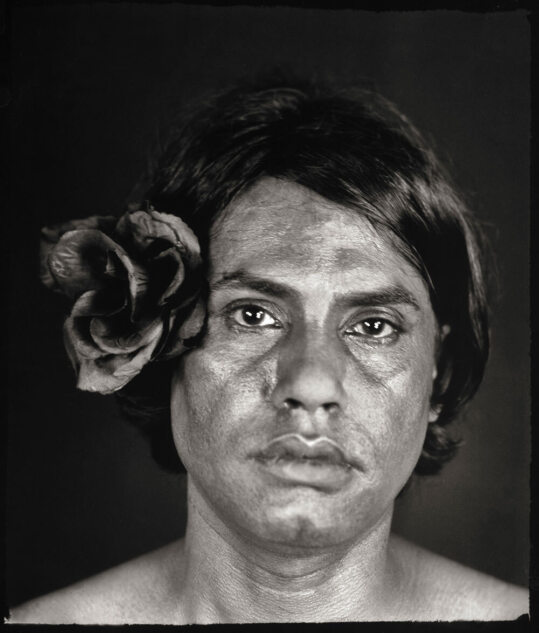
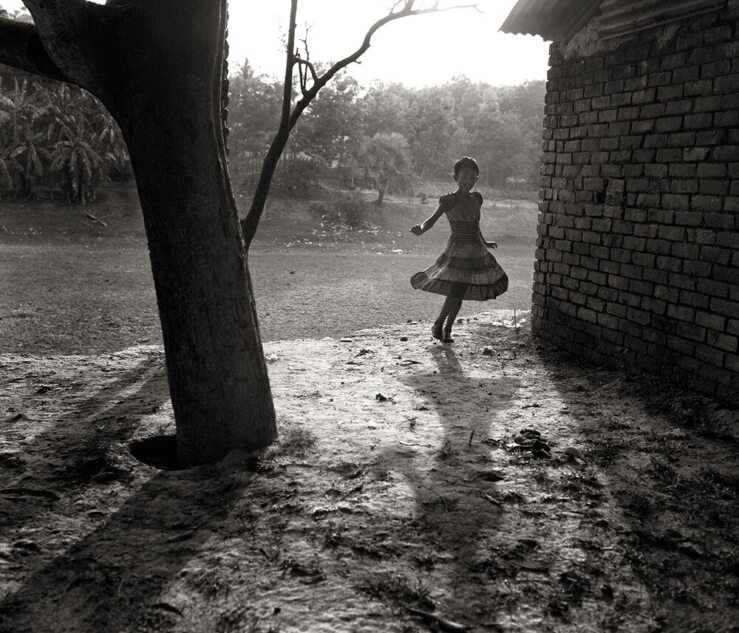
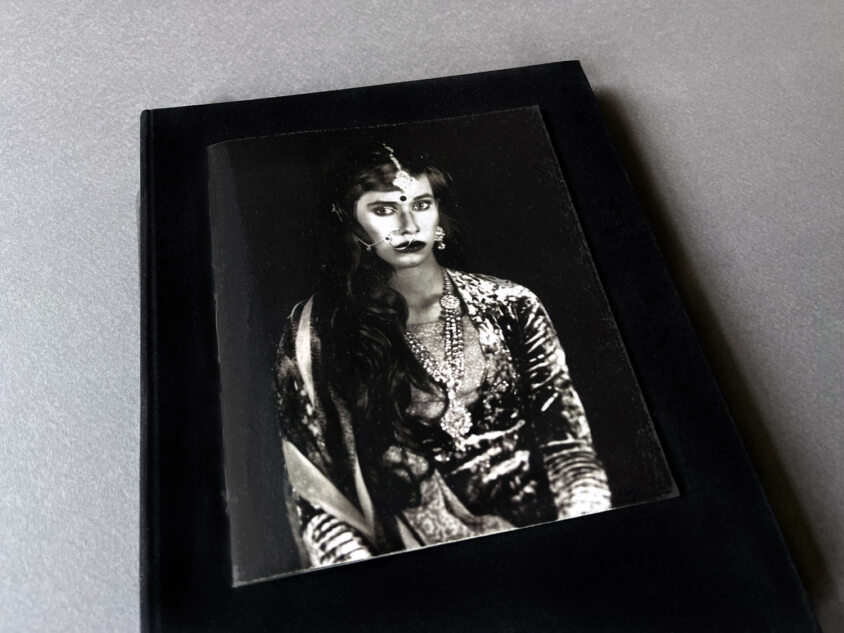
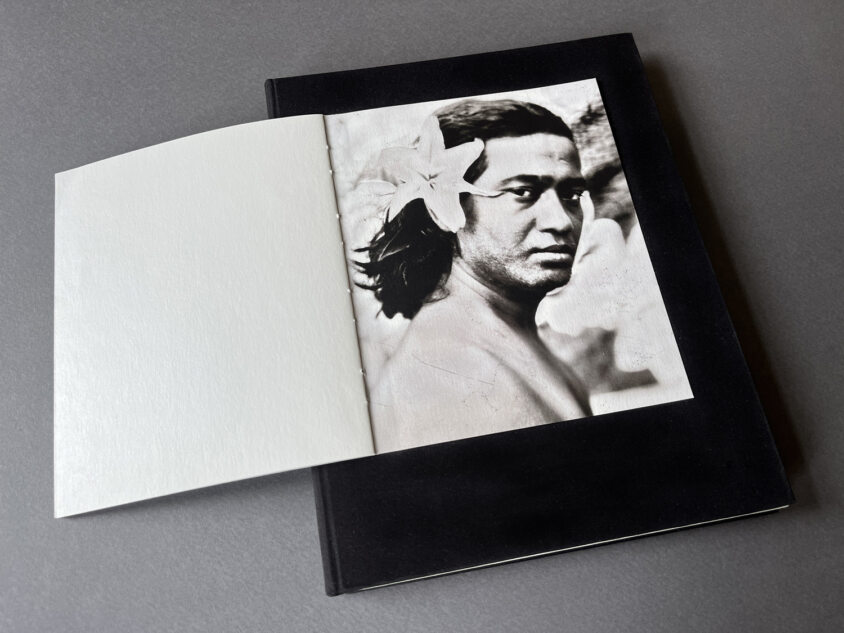
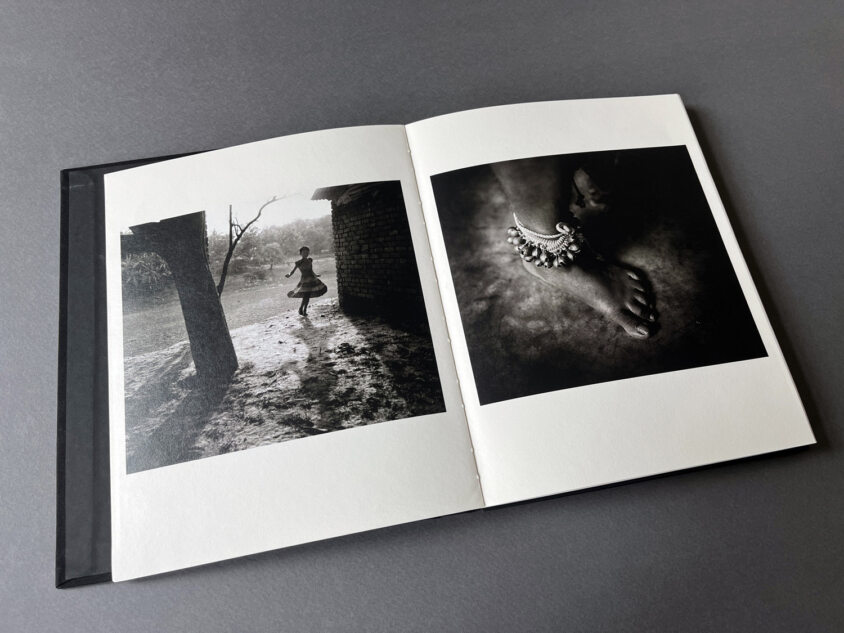
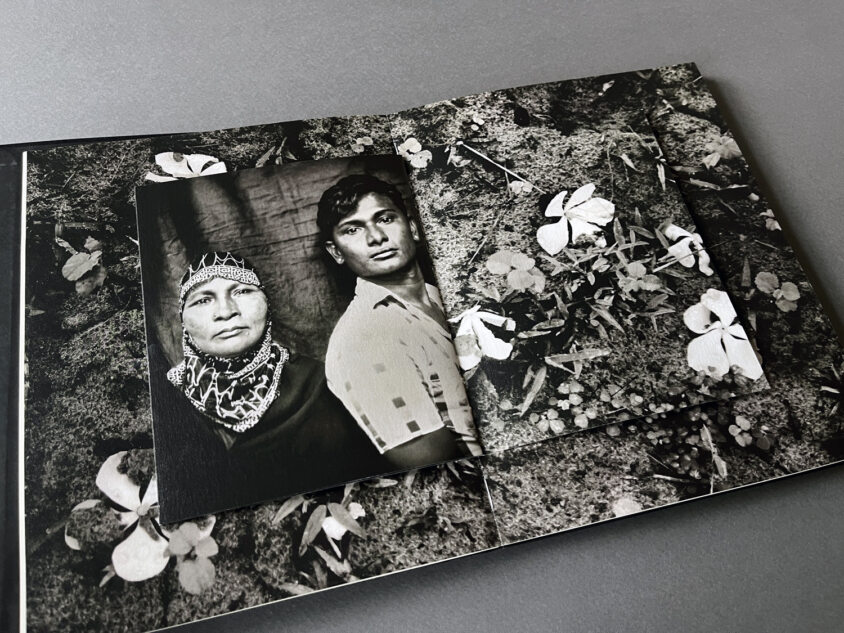
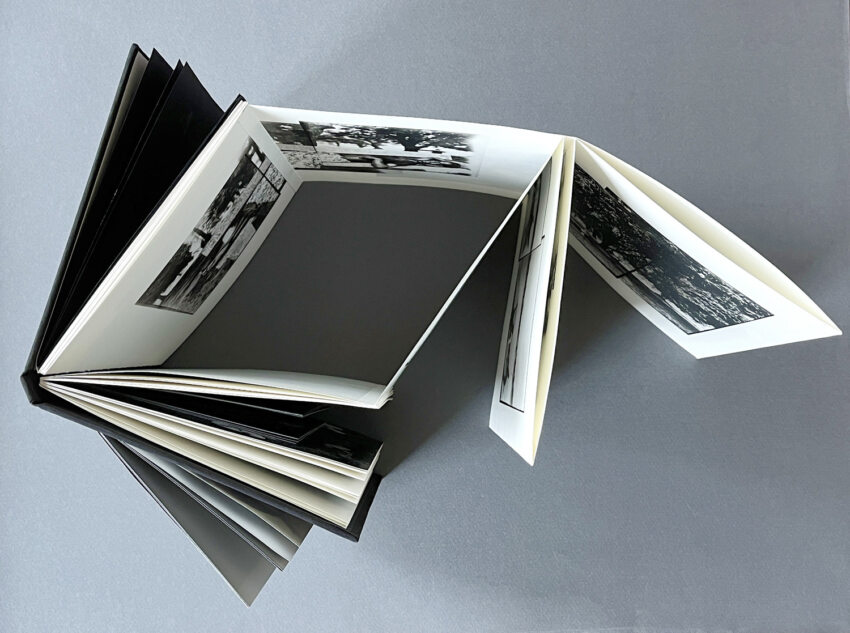
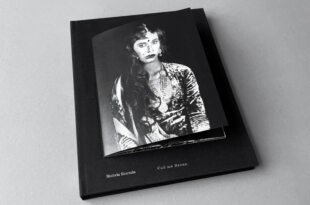
Call Me Heena is a personal and visual exploration of the Hijra community in Bangladesh and India – those who live beyond the male-female binary, often misunderstood and pushed to the margins, yet deeply rooted in South Asian history.
Once revered in Hindu and Muslim traditions, Hijras held sacred roles in royal courts and religious ceremonies. Colonial laws erased that respect, branding them as outcasts. Today, many still face violence, poverty, and social exclusion.
This work is my attempt to listen – to witness lives too often overlooked, and to reflect the tenderness, strength, and survival I have encountered over more than a decade of knowing them.
Shahria Sharmin (b. Bangladesh) is a visual artist and documentary photographer based in Dhaka. Shahria’s practice is rooted in long-term, empathetic engagement. Shahria's work exists at the intersection of tenderness and quiet resistance – a visual meditation on the possibility of finding home among those pushed to its edges.